Blogs


Insights
PVC has become one of the most widely used materials across industries that manufacture food packaging, drinking water systems, medical supplies and consumer goods. Its versatility, strength and resistance to chemicals make it suitable for environments where both performance and safety matter.
However, PVC cannot maintain its structure and stability on its own. When exposed to heat, pressure and processing conditions, it tends to degrade, lose color and weaken. This is where food-grade PVC stabilizers play a crucial role.
These specialized additives ensure that PVC stays safe, durable and compliant with strict food-contact regulations. In this guide, we explore what food-grade PVC stabilizers are, why they’re essential, the types available, regulatory requirements and how industries use them every day.
As industries continue to adopt safer materials, these stabilizers have become even more important for maintaining consistency, compliance and long-term reliability in critical applications!
Food-grade PVC stabilizers are additives designed to protect PVC from degrading during manufacturing and use. PVC begins to break down when exposed to heat or mechanical stress, which is unavoidable during extrusion, molding, or long-term application.
Without stabilizers, PVC would release hydrogen chloride, discolor, become brittle and lose its mechanical properties. Stabilizers prevent all of this by shielding the polymer structure from heat and oxidation.
When PVC is intended for applications involving food, beverages, or potable water, the stabilizers used must meet very specific safety standards. They must be free of heavy metals, low in migration, non-toxic and suitable for direct or indirect contact with consumables.
Because of this, they undergo stricter evaluation compared to standard stabilizers used in non-food sectors. Manufacturers and regulatory bodies pay close attention to the chemical composition to ensure that every component behaves safely under expected temperature, pressure and long-term storage conditions.
Know More: Why Speciality Chemicals Matter More Than Ever In PVC & Plastics?
PVC is inherently sensitive to heat, even though it is processed at high temperatures. Once the temperature exceeds its stability threshold, PVC chains begin to break down, releasing hydrogen chloride, which accelerates the degradation process.
This reaction not only affects the appearance of the material but also its safety and performance. In applications linked to food or water, any form of degradation poses a potential risk to consumers.
Stabilizers prevent this chain reaction by neutralizing the released HCl, absorbing excess heat and slowing down oxidation. They help maintain the polymer’s structural integrity, color, clarity and mechanical strength.
Without proper stabilization, PVC products would warp, fade and weaken faster, making them unsuitable for everyday applications that require cleanliness and long-term reliability.
In many cases, stabilizers also contribute to smoother processing and improved product consistency during large-scale manufacturing, reducing waste and quality failures.
What Are The Factors That Influence Stabilizer Performance?
The effectiveness of food-grade PVC stabilizers depends on several processing and environmental factors. Even when the correct stabilizer system is selected, its performance can vary depending on how the PVC is manufactured and used.
One of the most important factors is processing temperature. PVC is typically processed at high temperatures during extrusion, molding, or calendaring. Stabilizers must be able to withstand these temperatures while protecting the polymer from early degradation.
Another key factor is processing time. Longer exposure to heat can increase the risk of degradation, so stabilizers must provide consistent protection throughout the entire manufacturing cycle.
The type of PVC formulation also affects stabilizer performance. Flexible PVC products, rigid containers, films and pipes all require different stabilizer characteristics depending on their mechanical and clarity requirements.
Environmental exposure plays an important role as well. PVC products used in food processing or beverage distribution systems may experience moisture, cleaning chemicals and temperature fluctuations. Stabilizers must help the material maintain its strength and stability under these conditions.
Finally, compatibility with other additives such as plasticizers, lubricants and processing aids is essential. A well-balanced formulation ensures that all components work together to deliver consistent performance, safety and regulatory compliance.
By carefully considering these factors, manufacturers can select stabilizer systems that ensure reliable PVC performance in demanding food-contact applications.
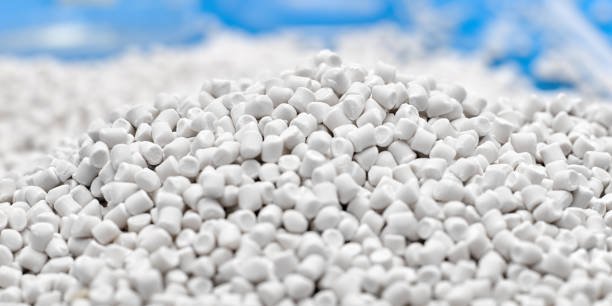
Food-contact materials must meet strict safety standards. Stabilizers used for these applications are evaluated for migration limits, ensuring that only negligible amounts, if any, transfer into food or beverages.
Regulatory bodies require detailed documentation of all ingredients, along with toxicology assessments that confirm their suitability. Stabilizers used in drinking water applications may also need approval from water-safety agencies.
Manufacturers using these stabilizers must follow Good Manufacturing Practices (GMP) to ensure product consistency and prevent contamination. Together, these regulations protect consumers while maintaining trust in PVC-based food-contact products.
In addition to compliance testing, many markets require ongoing quality monitoring to ensure that stabilizer performance remains consistent across different batches and production cycles.
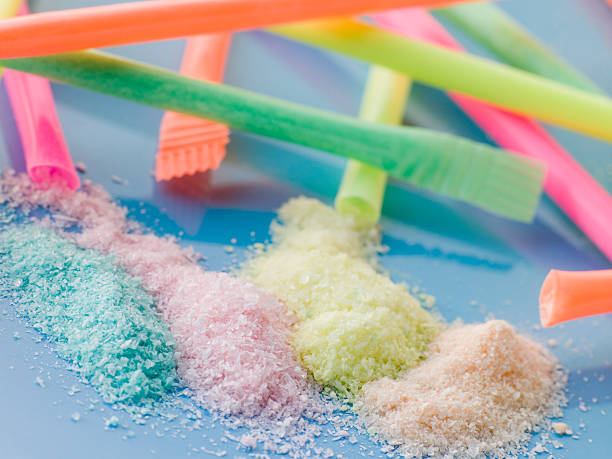
Choosing the correct stabilizer depends on the type of PVC product, clarity requirements, processing temperature, environmental exposure and compliance regulations.
High-clarity food packaging may require organotin or organic-based stabilizers, while water pipes may primarily use Ca-Zn systems. Manufacturers often conduct thermal stability tests, processing trials and migration studies before finalizing the appropriate stabilizer formulation.
They also evaluate cost-effectiveness, environmental impact and long-term reliability to ensure that the chosen stabilizer supports both performance and sustainability goals.
For reliable, high-quality and compliant stabilizer solutions, SV Plastochem offers a wide range of food grade PVC stabilizers suitable for industrial applications.
Also Read: What Industrial Buyers Should Look For In A Chemical Raw Material Partner?
Food-grade PVC stabilizers are essential for ensuring that PVC materials remain safe, durable and high-performing in food, beverage and water-related applications.
By preventing heat-induced degradation and maintaining long-term stability, these stabilizers make it possible for PVC to serve in environments where hygiene and safety are critical.
As industries continue to adopt safer and more sustainable materials, the demand for clean, compliant and high-quality stabilizer solutions continues to grow.
With the right stabilizer system, manufacturers can deliver reliable products that meet global quality and safety expectations while supporting long-term performance, consumer confidence and regulatory compliance.
Visit SV Plastchem to explore products that match your PVC processing and safety requirements!
Food-grade PVC stabilizers are specialized additives used in PVC products to prevent degradation caused by heat, pressure and processing. They help PVC maintain its strength, clarity and durability while ensuring safety for food-contact and potable water applications. By protecting the polymer from discoloration, brittleness and chemical breakdown, these stabilizers make PVC suitable for environments where hygiene and long-term performance are critical.
PVC is inherently sensitive to heat and mechanical stress, which can cause it to release harmful substances, lose structural integrity and change color. In applications involving food, beverages, or drinking water, this degradation can pose safety risks. Stabilizers are therefore essential to maintain the polymer’s strength, clarity and hygiene, ensuring that PVC products remain safe and reliable throughout their intended lifespan.
There are several types of food-grade PVC stabilizers designed to meet different application needs. Calcium-zinc (Ca-Zn) stabilizers are widely used for their safety, thermal stability and suitability for films and water-contact applications. Organotin stabilizers are preferred where high clarity and heat resistance are critical. Organic-based stabilizers (OBS) offer metal-free, environmentally friendly alternatives. Mixed-metal stabilizers combine elements like calcium, magnesium and aluminum for balanced performance, while specialized hybrid formulations are developed to meet unique clarity, temperature, or regulatory requirements.
Food-grade PVC stabilizers protect the polymer through multiple mechanisms. They absorb excess heat during processing to prevent early decomposition, neutralize hydrogen chloride released by the PVC chains and block oxidation that could weaken the material. Some formulations also include UV absorbers to prevent sunlight-induced discoloration. Together, these mechanisms help maintain the strength, clarity, color and safety of PVC products during both manufacturing and everyday use.
Food-grade PVC stabilizers are used in a wide range of industrial applications. They are essential for food packaging films, wraps and rigid containers, as well as drinking water pipes, plumbing fittings and beverage distribution lines. They are also used in flexible PVC tubing for milk, juice and oil transfer, food-processing conveyor belts, gaskets, lids, sealing components, bakery trays, confectionery molds and cling films. By maintaining durability, hygiene and compliance with safety regulations, these stabilizers ensure that PVC products perform reliably in demanding food and water environments.