Blogs


Insights
Methyl tin stabilisers are widely used compounds in the plastics industry, especially in PVC processing. Anyone sourcing raw materials, filing export-import paperwork, or writing a safety compliance report needs quick, accurate access to identification details like CAS number, HS code, and MSDS data.
This guide brings together the technical facts you need in one place, explained in plain language.
Methyl tin stabilisers are organotin compounds, most commonly known as methyltin mercaptide. They belong to a broader family of tin-based additives used to protect PVC (polyvinyl chloride) from breaking down when exposed to heat during manufacturing. Without a stabiliser, PVC would degrade, discolour, and lose strength when processed at high temperatures.
| Detail | Information |
| Common name | Methyltin Mercaptide / Methyl Tin Stabiliser |
| CAS Number | 57583-35-4 |
| EINECS Number | 260-829-0 |
| Molecular Formula | C22H44O4S2Sn |
| Molecular Weight | 555.42 g/mol |
| HS Code (commonly used) | 2930.90 or 3812.39 |
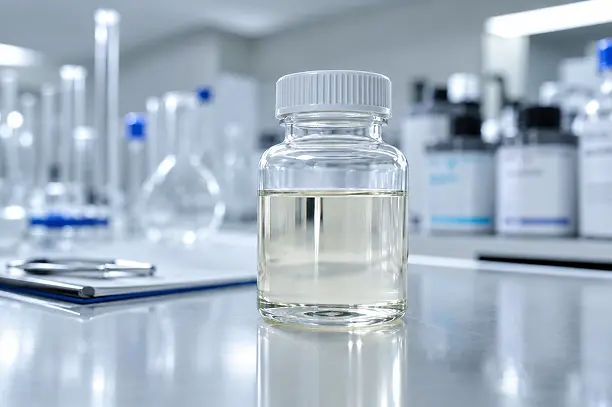
| Appearance | Clear to pale yellow liquid |
Note: HS code classification can vary slightly by country and customs authority, since some list it under “organo-sulphur compounds” (2930) and others under “compound stabilisers for plastics” (3812). It is always best to confirm the exact code with your local customs office before filing shipping documents.
Understanding the properties of methyl tin stabilisers helps processors handle and store them correctly.
These compounds are typically supplied in different grades, such as low-odour or food-contact grades, depending on the end application.
Methyl tin stabilisers are widely chosen for PVC processing because they combine excellent heat stability with outstanding transparency and long-term performance. Unlike many other stabiliser systems, they help preserve the physical and visual properties of PVC even under demanding processing conditions.
Because of these performance benefits, methyl tin stabilisers remain one of the most widely used heat stabiliser systems for rigid and semi-rigid PVC applications where product quality, appearance, and long-term durability are important.
Need an organotin catalyst for esterification instead? SV Plastochem also supplies MBTO and related grades.
PVC breaks down when heated because it releases hydrochloric acid (HCl) molecules along its polymer chain. This process, once started, speeds up on its own and causes discolouration, brittleness, and loss of mechanical strength.
Methyl tin stabilisers work by:
This combination of actions is why methyltin mercaptides are considered one of the most effective and widely used heat stabilisers for clear, rigid, and flexible PVC products.
Every methyl tin stabiliser shipment should come with a Material Safety Data Sheet (MSDS) from the supplier. Based on standard GHS (Globally Harmonized System) classification, here is what is typically found:
Given the reproductive toxicity classification, pregnant workers and those planning pregnancy should avoid direct handling, and facilities should follow strict occupational exposure limits set by their local regulatory body.
Methyl tin stabilisers are used across several PVC-based industries:
The choice of grade (general purpose, low-odour, or food-contact) depends on the specific application and regulatory requirements in the target market.
Looking for a reliable source of high-quality Methyl Tin Stabiliser for manufacturing of any PVC products, explore SV Plastochem’s Methyl Tin Stabiliser and connect with our team for technical support and pricing.
Methyl tin stabilisers, identified by CAS number 57583-35-4, play an important role in keeping PVC products stable, clear, and durable during high-temperature processing. Their excellent heat stability, clarity, and long-term durability make them one of the most effective heat stabilisers for a wide range of rigid and semi-rigid PVC applications.
For anyone involved in procurement, export documentation, or safety compliance, having accurate CAS, HS code, and MSDS details on hand makes the entire supply chain smoother and safer.
SV Plastochem delivers methyl tin stabiliser with reliable quality, competitive pricing, and full technical support.
The CAS number of methyl tin stabiliser is 57583-35-4. This unique identification number is used internationally to identify the chemical substance accurately.
The commonly used HS codes for methyl tin stabiliser are 2930.90 and 3812.39. However, the applicable HS code may vary depending on the country’s customs regulations and product classification.
Methyl tin stabiliser is widely preferred in PVC processing because it offers excellent heat stability during manufacturing. It also helps maintain product clarity and colour, improves weather resistance, and enhances the durability and overall quality of finished PVC products.
Methyl tin stabiliser is primarily used as a heat stabiliser in PVC manufacturing. It protects PVC from thermal degradation during high-temperature processing, helping manufacturers produce strong, stable, and long-lasting products.
Yes, methyl tin stabiliser is classified under the Globally Harmonized System (GHS) as a hazardous chemical. It may cause skin and eye irritation, so appropriate personal protective equipment (PPE) should always be worn, and recommended handling and safety procedures should be followed during use.