Blogs


Insights
Today, scientists in R&D teams in the plastic and polymer industry not only focus on innovating the end-product; the transformation begins with the raw materials, right down to the molecular level. These raw materials act as the building blocks of the performance, sustainability and competitiveness of plastics and polymers.
From high-performance engineering polymers to bio-based alternatives and specialty additives, choosing premium-quality raw materials shapes the potential of finished products. The industry today faces pressures to advance sustainability, develop advanced applications and comply with stringent regulatory standards.
In order to thrive under these demands, manufacturers must understand how your ingredients enable specific performance characteristics, regulatory compliance and long-term value creation. In this blog, we explore the key raw materials you can use for innovating in the plastic and polymer ecosystem.
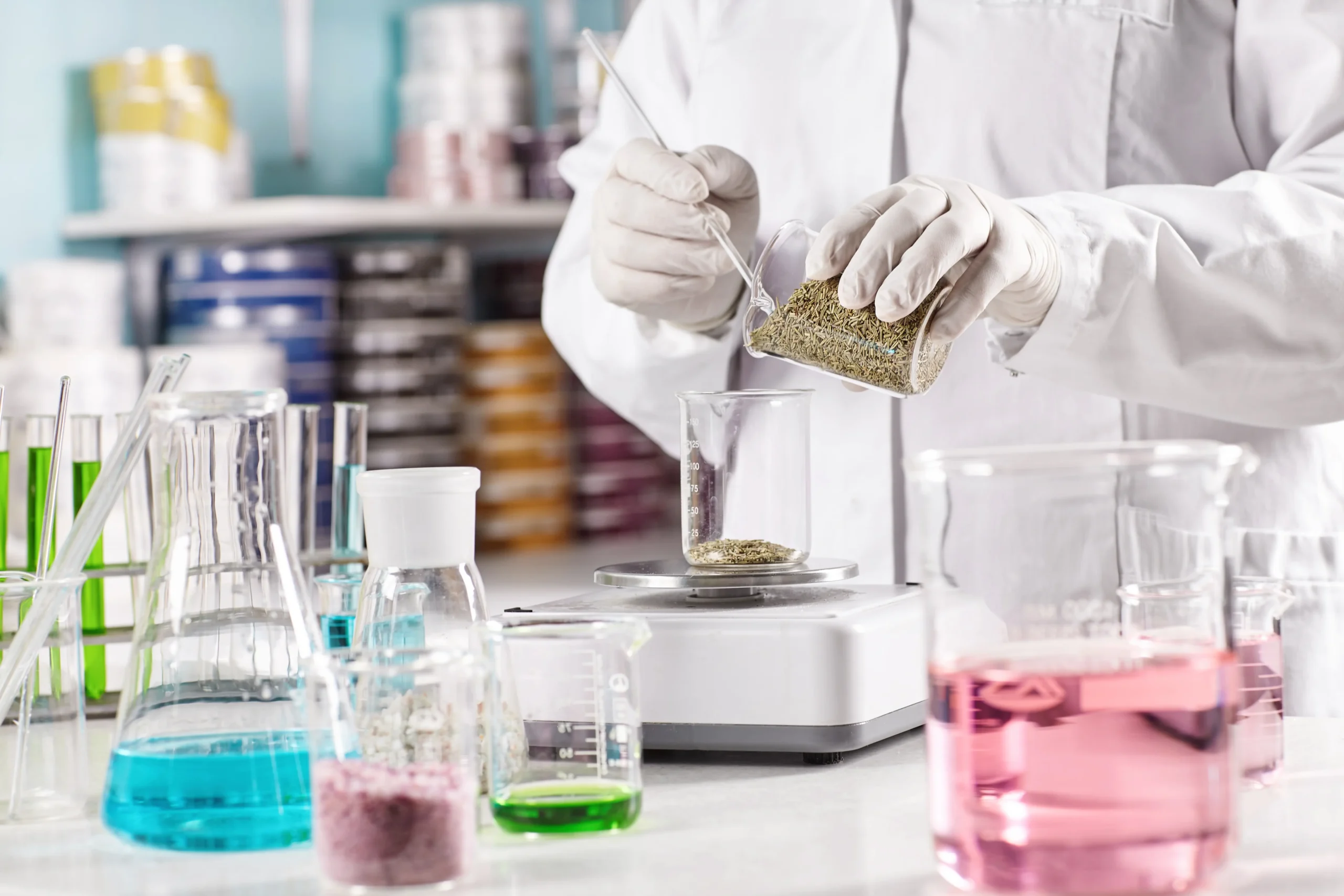
At SV Plastochem, we supply a comprehensive range of PVC stabilizers, such as Methyl tin stabilizers, Butyl tin stabilizers, Tin stabilizers, Food-grade and Calcium zinc stabilizers (Ca/Zn stabilizers).
With these plastic processing chemicals, you can ensure thermal stability, consistent processing and extended product life in pipes, fittings, profiles and flexible tubing.
In high-end applications such as medical devices, electrical components and industrial systems, as well as in polymer performance, polymer catalysts are important for precisely controlling chemical reactions.
We offer a specialized range of tin catalysts for polymers, including Di-Butyl Tin Oxide (DBTO), Mono-Butyl Tin Oxide (MBTO), Di-Butyl Tin Dilaurate (DBTL), Stannous Octoate, Stannous Chloride, Stannous Oxide and Stannic Oxide and Tributyl Tin Oxide (TBTO).
Used as a catalyst and intermediate in polyurethane elastomers, silicone rubbers, sealants and coatings, enabling controlled curing and consistent mechanical performance.
It is applied in polyurethane prepolymers and adhesive systems where moderate catalytic activity is required. MBTP offers controlled reaction rates and manages viscosity.
It is widely used in polyurethane foams, elastomers, silicone sealants and reactive adhesives to promote fast curing, strong crosslinking and improved productivity.
Stannous Octate functions as a highly active catalyst in polyurethane systems and ring-opening polymerization of polyesters and biodegradable polymers such as PLA.
It is used as a reducing agent and catalyst precursor in chemical synthesis, surface treatment processes and specialty polymer modification reactions.
It is applied as catalyst supports, functional fillers and conductive additives in advanced ceramics, electronics, glass and high-performance polymer composites.
TBTO is used in regulated applications requiring antimicrobial and material protection properties, including specialty polymer stabilization and industrial preservation systems.
These polymer catalysts support your controlled polymerization reaction, improve curing efficiency and provide consistent material properties across batches.
Modern plastics need a balanced blend of polymer additives to meet performance expectations. Heat stabilizers, lubricants and impact modifiers work together to improve processing efficiency and durability.
Most commonly used polymer additives are:
For more information about these polymer additives, visit our website.
Since these plastic additives reduce die buildup, improve flow and enhance surface finish, they are invaluable for high-output manufacturing environments.
Sustainability in plastics is no longer merely about recycled content. Today, sustainability refers to durability, compliance and long-lasting polymer raw materials that reduce waste, improve lifecycle performance and support regulatory compliance.
The Raw materials such as Ca/Zn stabilizers, food-grade PVC stabilizers and controlled-impurity tin compounds, align well with global expectations for safer and more sustainable polymer formulation additives.
Selecting plastic raw materials strategically directly impacts product quality and consistency, manufacturing efficiency and yield, compliance with global regulations and long-term sustainability and brand value.
Add an image of food grade plastic here.
As a reliable PVC additives supplier and plastic additives manufacturer, we support you not only with products but with formulation insight and technical expertise.
Innovation in the plastics and polymer industry starts with polymer raw materials. From PVC stabilizers and tin catalysts to metallic stearates and antimony stabilizers, every chemical component influences performance, compliance and sustainability.
SV Plastochem stands out as a trusted partner in the polymer value chain, offering high-quality plastic raw materials that enable scalable, compliant and future-ready innovation.
PVC stabilizers prevent thermal degradation during processing and service life, ensuring durability and consistent product quality.
Tin stabilizers offer superior heat stability and clarity, while calcium zinc stabilizers provide an environmentally friendly alternative for regulated applications.
Polymer catalysts control reaction speed and molecular structure, directly impacting consistency, strength and processing efficiency.
Metallic stearates act as lubricants and processing aids, improving flow, reducing equipment wear and enhancing surface finish.
SV Plastochem provides a complete portfolio of polymer raw materials, plastic additives and polymer catalysts, backed by application expertise and technical support.