Blogs


Insights
Every time you see rolls of crystal-clear PVC film being processed into blister packs for pharmaceutical tablets and shrink wraps for fresh produce, you see the polymer changing its shape. But have you ever wondered what is actually inside a Food-Grade PVC?
Earlier, the Stabilizers used to prevent PVC from degrading under heat and UV exposure, were often formulated using lead compounds or cadmium salts. Though they performed brilliantly, were cost-effective and reliable stabilizers, their presence in PVCs proved to be toxic.
Today, the term food-grade PVC stabilizer isn’t just a marketing label; it’s a measurable, verifiable, regulation-backed standard, separating compliant chemistry from unacceptable risk. And understanding what that standard truly means is something every manufacturer, procurement manager and quality engineer in the packaging and plastics industry must get it right.
In this article, we delve deeper into the Food-Grade Stabilizers, explore how they help you stay compliant and as well as keep the consumer safe. Keep reading further to learn more.
In order to understand what makes a stabilizer “food-grade,” you first need to understand why PVC needs stabilizers at all.
PVC (Polyvinyl Chloride) is inherently unstable at the processing temperatures, i.e 160°C to 200°C. If left unprotected, it rapidly degrades, releasing HCl gas and turning dark and brittle. This degradation doesn’t just ruin aesthetics, but it also compromises the structural integrity of the final product and can release harmful compounds into everything the material comes into contact with.
A PVC heat stabilizer acts as a chemical guardian. It intercepts the degradation reaction by neutralizing free HCl. It preserves the polymer’s clarity, flexibility and strength throughout the processing cycle. Without it, you simply won’t have a usable product.
When PVCs are used to pack food and medicine, the stabilizer must be able to protect the polymer without introducing any toxic residues that could migrate into food or pharmaceutical products. To overcome this challenge food-grade stabilizers are designed.
Not all stabilizers are created equal. The food-grade designation essentially comes down to the base chemistry. Here’s what matters:
A Food Grade Stabilizer cannot have lead-based stabilisers, cadmium compounds, barium-cadmium systems and organotins with short alkyl chains.
Their restriction is not merely a regulatory technicality, these substances have documented risks of endocrine disruption, neurotoxicity and bioaccumulation that are wholly incompatible with food and pharmaceutical contact.
Everytime when a manufacturer claims that the PVC stabilizer they use is “food-grade,” they should be able to prove it to the regulatory authorities. This is what those regulatory authorities are expecting:
ISO-Certified Manufacturing: Not just the chemistry, but the manufacturing process matters as well. Manufacturing food-grade stabilizers in ISO-certified facilities guarantees the purity of raw material used, batch consistency and the products are contamination-free.
At SV Plastochem, we manufacture every food-grade PVC stabilizer in ISO-certified facilities, which are validated against REACH and RoHS requirements. We assure our products are 100% lead-free, right from the first raw material to the finished product.
Ready to switch to compliant, food-safe stabilizers?
Explore SVP’s Food-Grade PVC Stabilizer Range →
Food-Grade Stabilizer prove to be invaluable in the following industries:
Today, the shift from lead-based to lead-free PVC stabilizers has been one of the most significant regulatory-driven transformations in the plastics additive industry. Europe completed this transition years ago and now global markets are following up. The demand for lead-free PVC stabilizers is driven by both regulation and supply-chain pressure from multinational brands that require compliant materials throughout their packaging suppliers.
The manufacturers that are still using legacy stabilizer systems need to make both chemistry changes and process adjustments. Although Food-grade calcium-zinc stabilizers are excellent performers, they behave differently from lead systems during processing. Therefore, you need to adjust dosage levels, processing temperatures and sometimes co-stabiliser packages to achieve equivalent thermal stability.
We offer you not just the highly pure food-grade PVC stabilizers, but also technical guidance required. We directly work with manufacturers to navigate the lead-free transition. We provide application-specific guidance, sample formulations and processing recommendations to ensure a smooth switch without compromising performance.
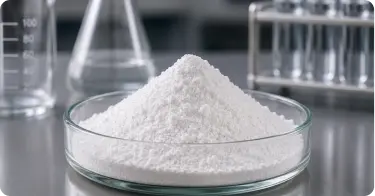
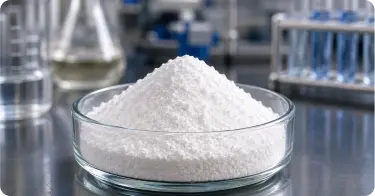
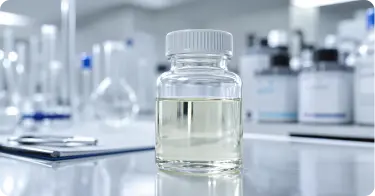
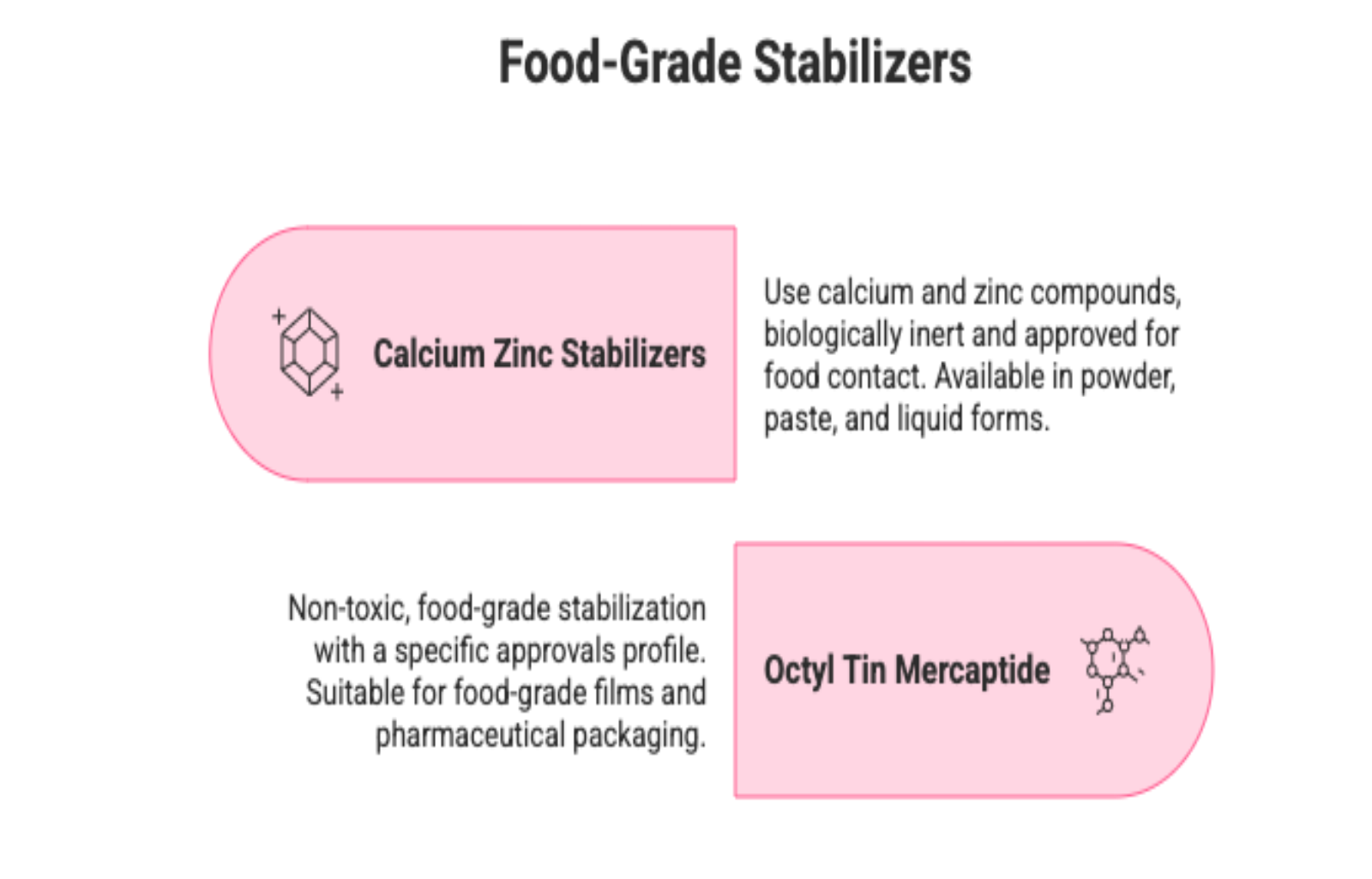
SV Plastochem is India’s leading tin stabilizer and PVC additive manufacturer, bringing decades of deep chemistry expertise to the food-grade space. Our food-grade PVC stabiliser portfolio includes calcium-zinc stabilisers (in powder, past and liquid grades) and octyl tin mercaptide (STS-2), each formulated for high purity, exceptional clarity and consistent thermal performance.
What sets us apart isn’t just the formulation, but the entire ecosystem around it. We practice ISO-certified manufacturing, rigorous batch-by-batch quality testing, complete REACH and RoHS compliance documentation and have a technical team that understands the processing demands of food packaging, pharma packaging and medical-grade applications.
With clients across more than 25 countries and a customer satisfaction index that reflects long-term partnerships rather than transactional supply, we have earned our clients’ trust and partnered with some of the world’s most demanding packaging manufacturers to drive innovation.
See the full food-grade product range and get a quote:
Talk to SVP’s Technical Team →
Standard stabilizers may contain heavy metals like lead or cadmium, effective for industrial PVC processing, whereas a food-grade PVC stabilizer is formulated exclusively with substances approved for food-contact applications under regulations such as FDA 21 CFR and EU Regulation 10/2011. Use of food-grade stabilizer for manufacturing PVC makes it suitable for any application where the plastic contacts food, medicine, or children’s products. Q2. Are calcium zinc stabilizers as effective as lead-based stabilizers for PVC processing? Yes, the modern calcium zinc stabilizer systems, especially those from high-purity manufacturers like SV Plastochem, deliver excellent thermal stability, clarity and color retention. But the processing window may differ slightly from that of lead-based systems. Therefore, it is important to seek technical guidance for a trouble-free transition.
When you procure food-grade PVC stabilizer, you need to look for manufacturers operating in ISO-certified facilities with documented compliance to REACH (EU), RoHS and where relevant, FDA 21 CFR or EU Regulation 10/2011. You may request Safety Data Sheets (SDS), Certificate of Analysis (COA) for each and every batch and REACH compliance declarations. At SV Plastochem, we provide a complete documentation report with all food-grade product supplies.
Yes. Owing to its non-toxic profile, Octyl tin mercaptide (such as SVP’s STS-2 grade) is specifically suitable for food-grade films and medical applications, including blister packaging, tubing and moulding. However, as with all materials in pharmaceutical packaging, it should be validated within the full packaging system against the specific regulatory requirements applicable in the target market.
SVP offers end-to-end transition support, right from product sampling of appropriate calcium-zinc or octyl tin grades to formulation guidance and processing parameter recommendations. A downloadable Lead-Free Transition Guide is available on our website to refer to the technical and compliance steps involved. You can contact our technical team for direct consultation to ensure a smooth, cost-effective transition to a fully compliant finished product. SV Plastochem Pvt. Ltd. is India’s leading manufacturer of tin-based stabilizers, PVC additives and specialty chemicals — trusted by manufacturers across 25+ countries for precision, purity and performance. Explore the full product range at svplastochem.com. Get in touch with S V Plastochem today: 📧 sales@svplastochem.com | 📞 +91 9766105292 Request a Quote →